FROM OUR BLOG
Why Federal Auditors Flag Nonprofit Expense Allocation Inconsistencies

The Excel file sits on someone's desktop, renamed "Cost_Allocation_March_FINAL_v3.xlsx." The formulas are custom-built. The methodology shifts slightly each month depending on who's running the numbers. For many nonprofits, this is expense allocation reality—until the federal auditors arrive.
Federal auditors aren't just checking your math. Under 2 CFR 200, they're examining whether your cost allocation methodology is consistent across every federal award, every month. When it isn't, those inconsistencies can trigger audit findings that put future funding at risk.
## The Hidden Cost of Spreadsheet Allocation
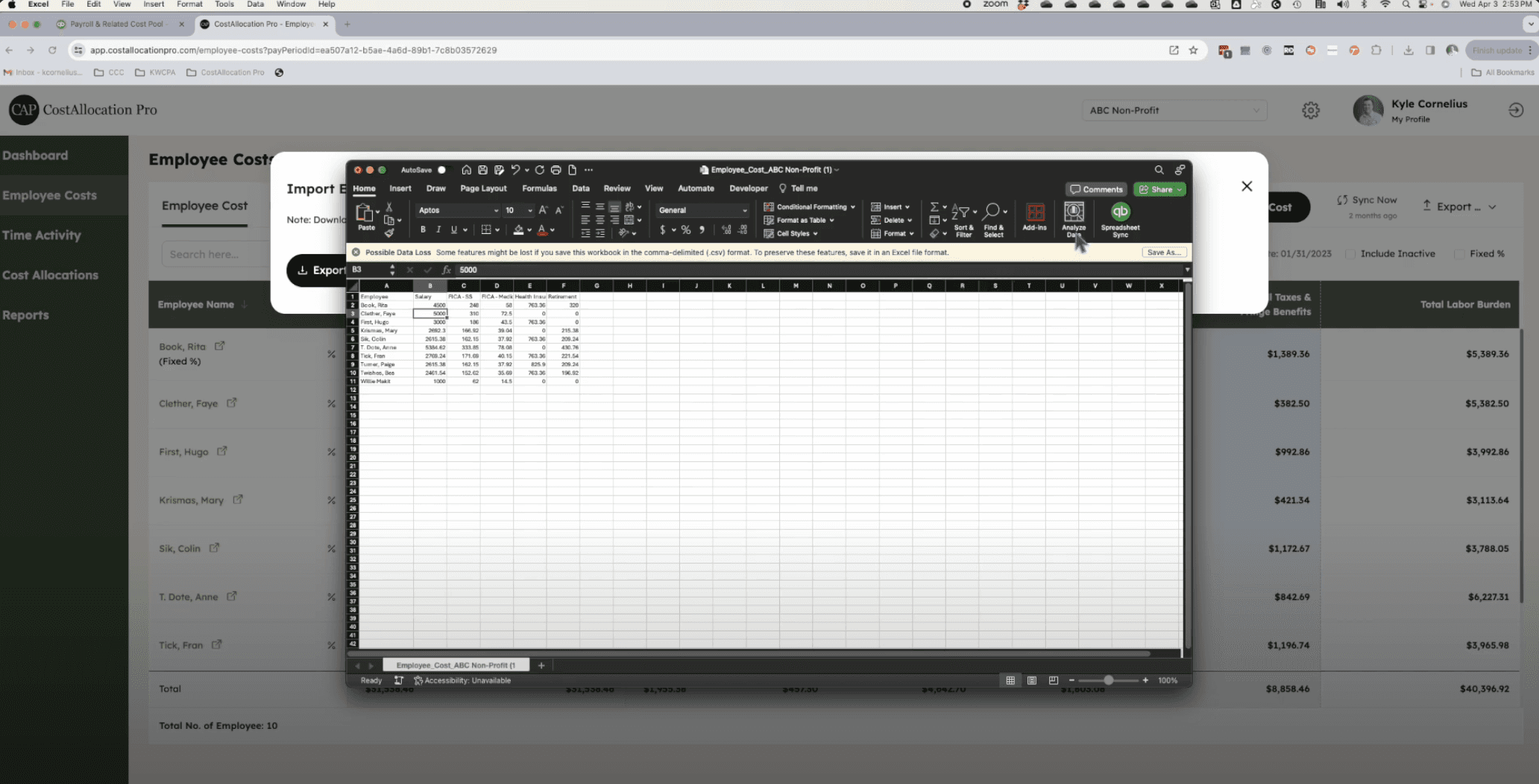
Spreadsheets work until they don't. The person who built your allocation model leaves. Someone accidentally overwrites a formula. A new grant requires a different approach, so you modify the process—just for this month. These small changes accumulate into a compliance problem.
Federal compliance officers understand that nonprofits need flexible allocation methods, but they require those methods to be applied uniformly. When your March allocation uses a different calculation than February, or when direct costs are categorized inconsistently between awards, auditors take notice. The 2 CFR 200 uniform guidance specifically requires that cost allocation methods be "consistently applied" and "adequately documented."
The documentation requirement alone creates problems for spreadsheet-based systems. Can you prove that your January methodology matches your July methodology? Can you demonstrate that indirect costs were calculated the same way for all federal awards? When allocations live in individual Excel files, proving consistency becomes nearly impossible.
## What Federal Auditors Actually Look For
Federal auditors examine allocation consistency through several lenses. They check whether direct salary allocations match time records across all awards. They verify that indirect cost rates are applied uniformly to similar expense categories. They review whether the same types of costs are consistently treated as direct or indirect expenses.
Documentation gaps compound these issues. Auditors want to see clear procedures for how allocations are calculated, who reviews them, and what controls ensure accuracy. Spreadsheet-based systems rarely provide the audit trail that federal compliance requires. When formulas are hidden in cells, when calculation methods exist only in someone's head, when there's no systematic review process, auditors flag these as internal control deficiencies.
## Building Consistent Allocation Processes
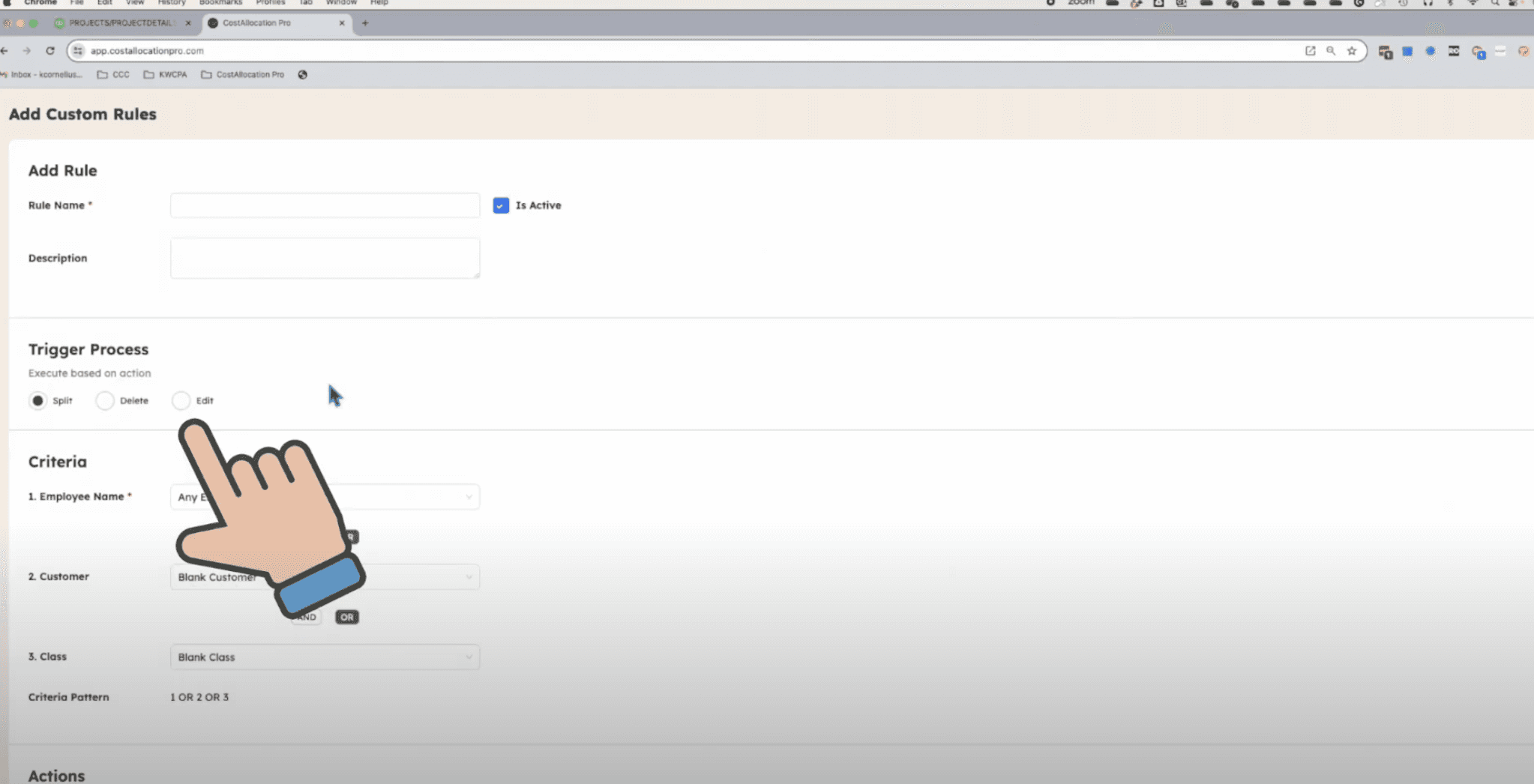
Consistent allocation starts with documented methodology. Every cost category needs clear rules about how it gets allocated. Direct salary costs should follow the same percentage-based distribution every month, based on actual time worked. Indirect costs should apply the same rate calculation across all awards. Benefits and payroll taxes should follow salary allocations consistently.
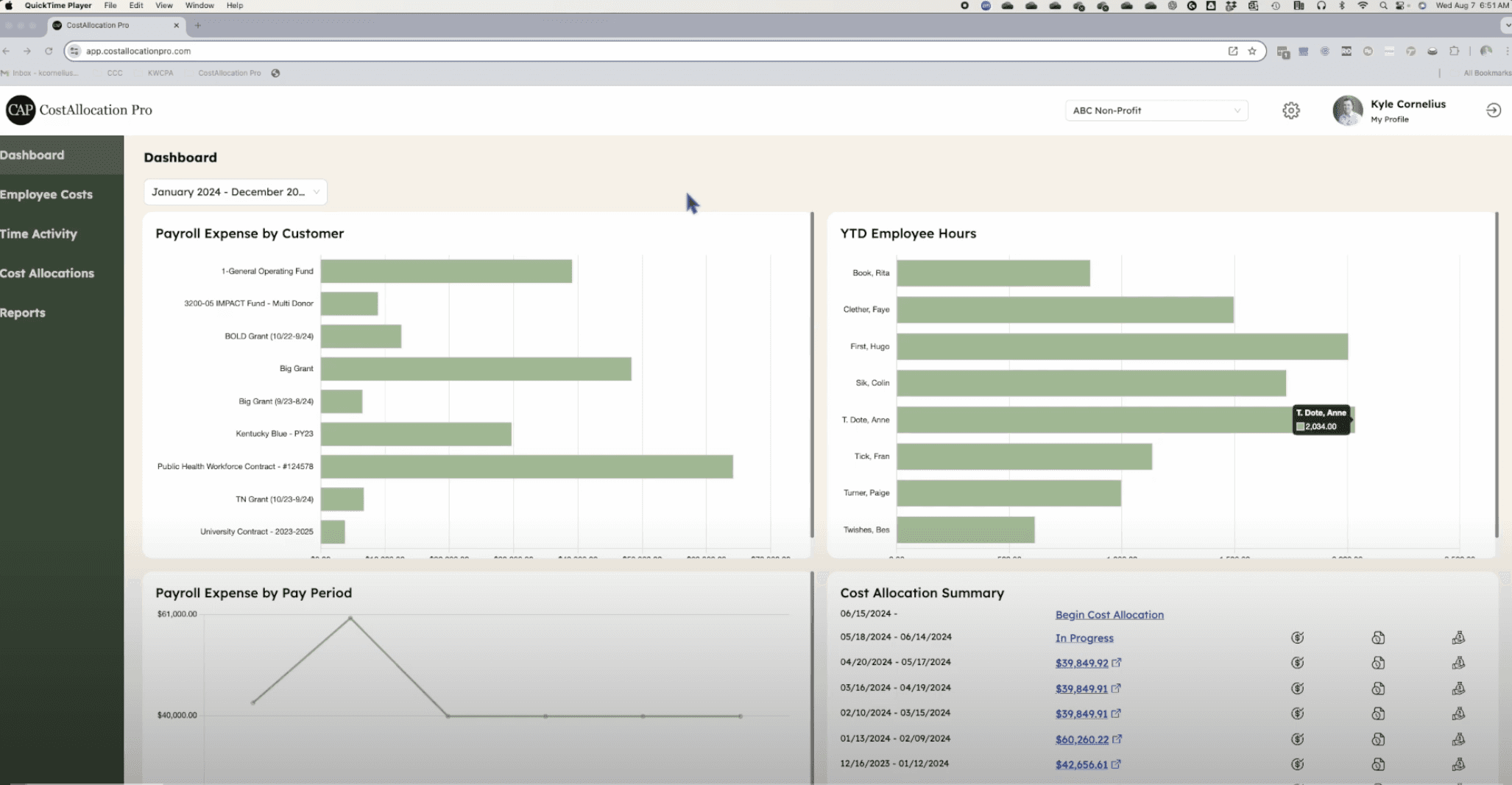
Automation eliminates most consistency problems. When allocation calculations follow the same programmed logic every month, when time data automatically drives salary distributions, when indirect rates apply uniformly across all awards, the methodology stays consistent regardless of who runs the process. The documentation becomes built-in, creating the audit trail that federal compliance requires.
## Making Allocation Audit-Ready
Federal auditors want to see allocation systems that produce consistent results through consistent methods. This means documented procedures, uniform application of indirect rates, and clear audit trails showing how costs were distributed. It means allocation timing that doesn't vary based on staff availability or workload.
The goal isn't perfection—it's consistency. Auditors understand that allocation involves estimates and professional judgment. What they can't accept is allocation methods that change from month to month or award to award without documented justification.
Automated allocation systems address these audit requirements by design. They apply the same methodology every month, create consistent documentation, and eliminate the human variables that lead to compliance problems. When federal auditors review your allocation practices, they see a system designed for consistency rather than a collection of monthly workarounds.
Consistent expense allocation isn't just about avoiding audit findings. It's about building financial systems that support accurate grant reporting, reliable indirect cost rate calculations, and sustainable compliance practices. The spreadsheet might work for now, but federal compliance requires something more reliable.